
Introduction
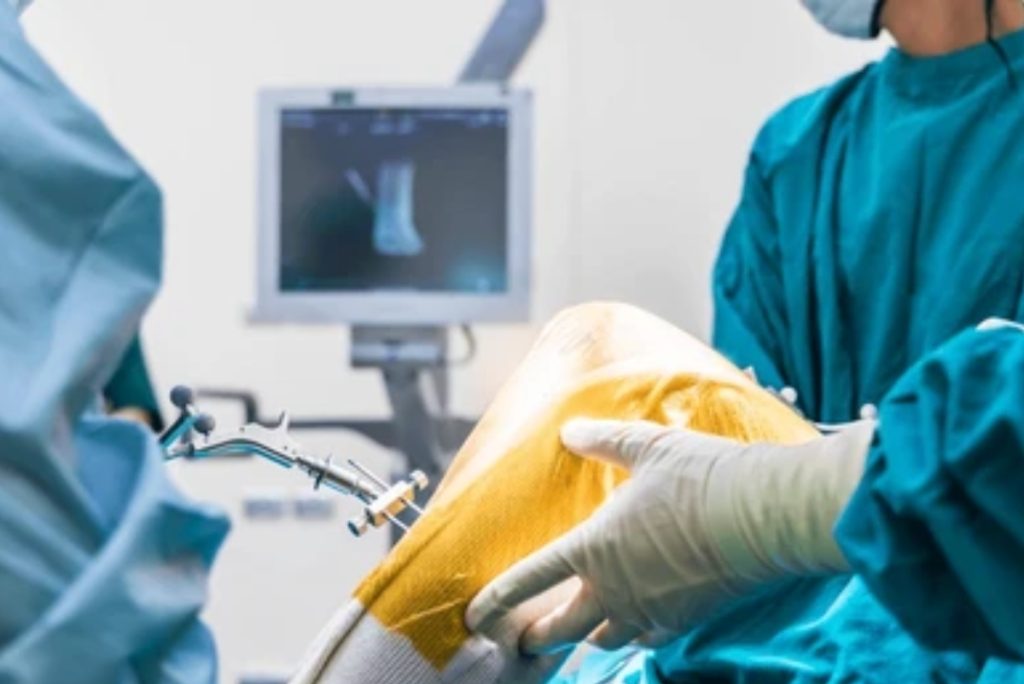
Robotic joint replacement is one of the most advanced and trusted solutions for patients suffering from severe joint pain, stiffness, or limited mobility—especially in the knee and hip. It combines the experience of an orthopedic surgeon with advanced robotic technology to achieve highly accurate surgical outcomes. One of the most common concerns patients have before surgery is understanding the success rate and how effective this procedure really is.
Success Rate of Robotic Joint Replacement
Robotic-assisted joint replacement surgeries have a success rate of around 90% to 95%, and in many cases even higher depending on patient condition and surgical precision. This means that the majority of patients experience long-term pain relief, improved joint movement, and a better quality of life after the procedure.
Compared to traditional joint replacement methods, robotic technology allows for more precise implant placement, which directly contributes to better results and longer-lasting outcomes.
Why is the Success Rate So High?
The high success rate of robotic joint replacement is due to several advanced features that improve surgical accuracy and patient safety:
- Precision-Based Surgery: The robotic system assists the surgeon in making highly accurate cuts and placements.
- Patient-Specific Treatment: A unique treatment is carried out for each patient based on the 3D imaging of his or her joint.
- Better Alignment of Implants: This ensures that there will be no stress on the joint and thus, increases the lifespan of the implant.
- Minimally Invasive Technique: Smaller incisions lead to less pain, minimal blood loss, and quicker healing.
- Reduced Risk of Complications: Latest technologies ensure that there will be no damage to adjacent tissues and ligaments
Factors That Can Influence the Success Rate
Even though robotic joint replacement has a high success rate, certain factors can affect the overall outcome:
- Patient’s Overall Health: Conditions like diabetes, obesity, or heart issues can impact recovery.
- Severity of Joint Damage: Advanced arthritis or deformities may require more complex treatment.
- Surgeon’s Expertise: The experience and skill of the surgeon play a critical role in achieving the best results.
- Post-Surgery Rehabilitation: Following physiotherapy and medical advice is essential for a successful recovery.
What Results Can Patients Expect After Surgery?
Most patients notice a significant improvement in their condition after robotic joint replacement. Common outcomes include:
- Significant or complete relief from joint pain
- Improved flexibility and range of motion
- Ability to walk, climb stairs, and perform daily tasks comfortably
- Faster recovery and shorter hospital stay
- Long-lasting joint performance, often lasting 15–20 years or more with proper care
Patients are usually encouraged to start walking within a day or two after surgery, and gradual improvement continues over the following weeks with guided physiotherapy.
Is Robotic Joint Replacement Surgery Safe and Reliable?
Yes, robotic joint replacement surgery is regarded as a safe and reliable procedure if carried out by an orthopedic surgeon with extensive knowledge and experience. The robotic device does not take charge of the surgery but helps the orthopedic surgeon execute the operation in a more precise manner.
Move Better Live Pain-Free with Advanced Robotic Joint Care
The robotic joint replacement procedure is highly successful, accurate, safe, and helps patients recover quickly, making it a great option for individuals suffering from joint disorders. With the appropriate surgical experience and post-surgery care, patients will benefit greatly from their procedures and live more comfortably. For robotic joint replacements, you can visit Saviour Hospital to receive top-notch services from Dr. Rushay Bhalodia.