
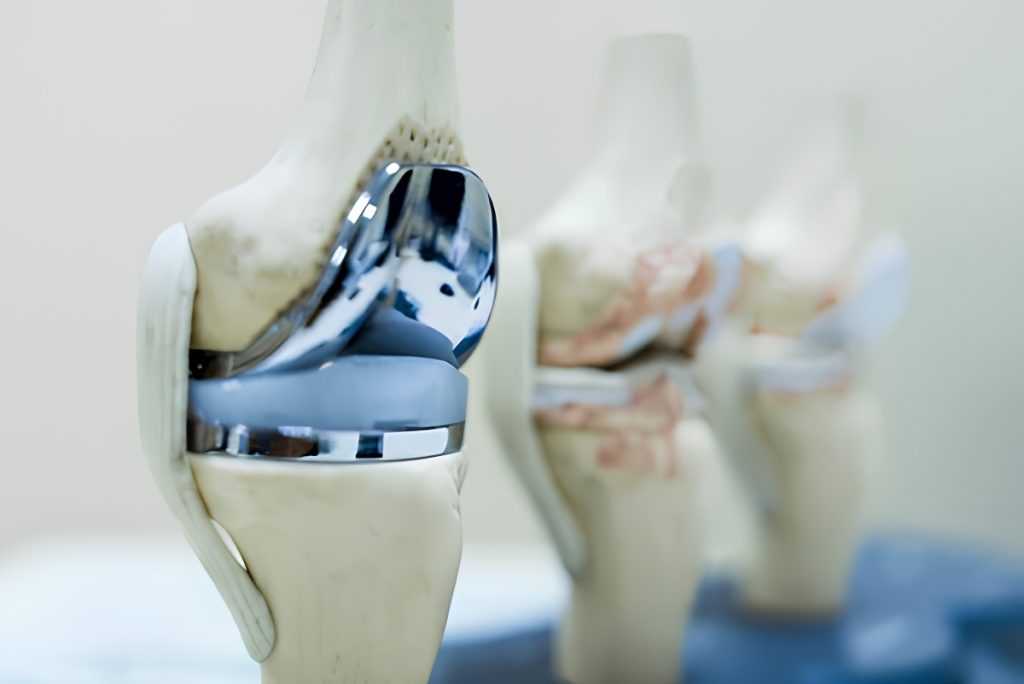
Introduction
Knee pain is one of the most frequent joint pains that can be experienced by individuals regardless of their age. It may either be brought about through sudden damage or by wearing and tearing over time. This is since the knee joint carries weight and enables you to walk, run, and climb up and down stairs. Knowing the causes of knee pain can help you recognize the source and seek appropriate treatment.
Knee Injuries
Injuries are a major cause of knee pain. These can happen due to falls, accidents, or sports activities. Common injuries include ligament tears, fractures, or damage to the cartilage. Such injuries usually cause sudden pain, swelling, and difficulty in moving the knee. In some cases, the knee may feel unstable or unable to bear weight.It differs from conventional surgery because robots help doctors develop a unique surgical plan taking into consideration patient’s body structure. Chronic joint pain, joint stiffness, or lack of joint mobility are some of the symptoms where robotic joint replacement can help patients.
Osteoarthritis (Wear and Tear)
Osteoarthritis is one of the common conditions that cause knee pain, particularly in old people. Osteoarthritis arises due to wear and tear of the cartilage surrounding the knee. Cartilage is the cushion in the joint. Wear and tear of cartilage leads to pain and difficulty moving. Knee osteoarthritis usually gets worse by physical activity.
Ligament Injuries
Ligaments play an important role in maintaining the stability of the knee joint. Ligament damage, especially anterior cruciate ligament injuries, is frequent among athletes or during sudden twisting actions. Ligament injuries can result in excruciating pain, swelling, and a sensation of instability in the knee joint.
Meniscus Tear
Meniscus is the name of the cartilage that serves as a shock absorber between the bones of the knee joint. A tear in the meniscus can be caused either by a sudden movement or by the natural wear and tear of the body.
Tendinitis
Tendinitis results from inflamed tendons in the area surrounding the knee joint. Tendinitis occurs mostly due to overuse, particularly among individuals who lead an active lifestyle, like runners and athletes. The pain tends to be in the front portion of the knee joint.
Bursitis
Inflammation of the bursa is called bursitis. The bursae may become inflamed due to constant pressure or because of injuries. Bursitis causes swelling and warmth, which results in pain during movement or when pressure is applied to the knee joint.
Excess Weight
Being overweight puts extra stress on the knee joints. This increases the risk of developing knee pain and conditions like osteoarthritis. Over time, the added pressure can damage the joint and worsen the pain. Maintaining a healthy weight can significantly reduce the strain on the knees.
Muscle Weakness and Poor Alignment
If there is an improper body posture or weak muscles around the knees, it will cause an imbalance in joint function. This may result in pain and injuries. To prevent these problems, one should exercise his muscles and have the correct posture.
Knee Pain and Medical Conditions
There are also cases where knee pain is caused by certain medical conditions, such as rheumatoid arthritis, gout, and even infections. In addition, there will be symptoms of inflammation, discoloration, stiffness, and unbearable pain due to these conditions.
Right Choice for Better Results
Knee pain can result from various causes, including injuries, wear and tear, medical conditions, and lifestyle factors. Identifying the exact cause is important for proper treatment and long-term relief. Early care and the right approach can help prevent the condition from worsening and improve overall joint health. At Saviour Hospital, Dr. Rushay Bhalodia, a Knee Replacement Surgeon, provides expert diagnosis and advanced treatment for knee pain, helping patients regain mobility and live a comfortable, active life.