
Introduction
Hip pain that stays with you for months or years can slowly affect every part of daily life. What starts as mild discomfort may turn into difficulty walking, climbing stairs, standing for long periods, or even sleeping comfortably. Many people continue living with the pain because they believe it is a normal part of ageing or something they simply have to manage. But when hip pain becomes constant and starts limiting everyday activities, an important question comes up: Is hip replacement surgery the right solution? The answer depends on what is causing the pain and how much the joint has been affected.
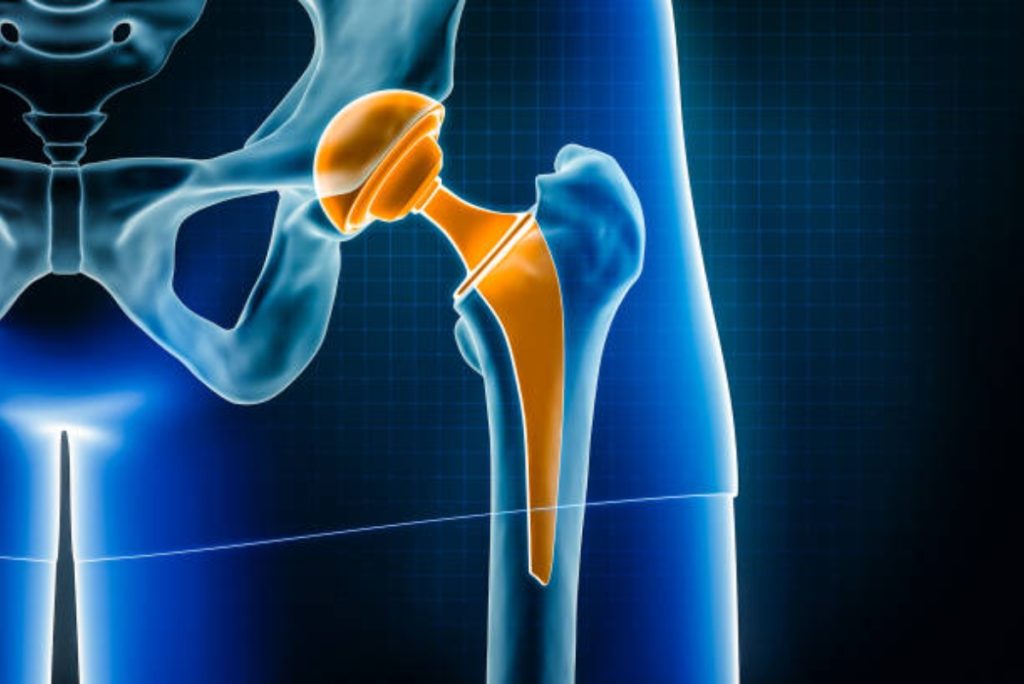
Hip replacement surgery is generally considered when the hip joint becomes damaged to the point where non-surgical treatments are no longer providing meaningful relief. During the procedure, the damaged parts of the hip joint are replaced with an artificial implant that is designed to improve movement and reduce pain. However, not every person with hip pain needs surgery.
In many cases, doctors first recommend treatments such as medication, physiotherapy, exercise, weight management, activity modification, orsupportive therapies. These approaches can help manage symptoms during the early stages of joint problems.
Hip replacement usually becomes an option when these treatments stop working and the pain continues to affect quality of life. There are several signs that may indicate it is time to speak with a specialist about hip replacement surgery:
- Hip pain that continues for several months despite treatment
- Difficulty walking, standing, or climbing stairs
- Pain that interrupts sleep or occurs even while resting
- Reduced hip movement and increasing stiffness
- Loss of independence in everyday activities
- Imaging tests showing advanced joint damage
Conditions that commonly lead to hip replacement include osteoarthritis, rheumatoid arthritis, hip fractures, avascular necrosis, and severe wear and tear of the joint. One of the reasons many patients delay treatment is concern about recovery. Modern hip replacement techniques have improved significantly and are focused on helping patients return to movement as safely and comfortably as possible. Recovery plans are personalised and usually include guided rehabilitation and physiotherapy to support strength and mobility.
The decision to undergo hip replacement surgery should never be based only on pain levels. It should be based on how much the condition is affecting your daily life, mobility, and long-term joint health.
If long-term hip pain is stopping you from living comfortably and conservative treatments are no longer helping, discussing hip replacement with an experienced orthopaedic specialist at Saviour Hospital may help you understand whether it is the right solution for your condition and support your journey toward improved mobility and a better quality of life.