
Introduction
You went through a joint replacement surgery. You recovered, you were feeling better, and life was getting back to normal. But then, slowly, the pain came back. Or maybe the joint started feeling unstable. Or something just does not feel right anymore.
If this is what you are experiencing, you are not imagining it. And you are not alone. This is exactly when joint revision surgery comes into the picture. Let us understand everything about it in a simple and honest way.
What Is Joint Revision Surgery?
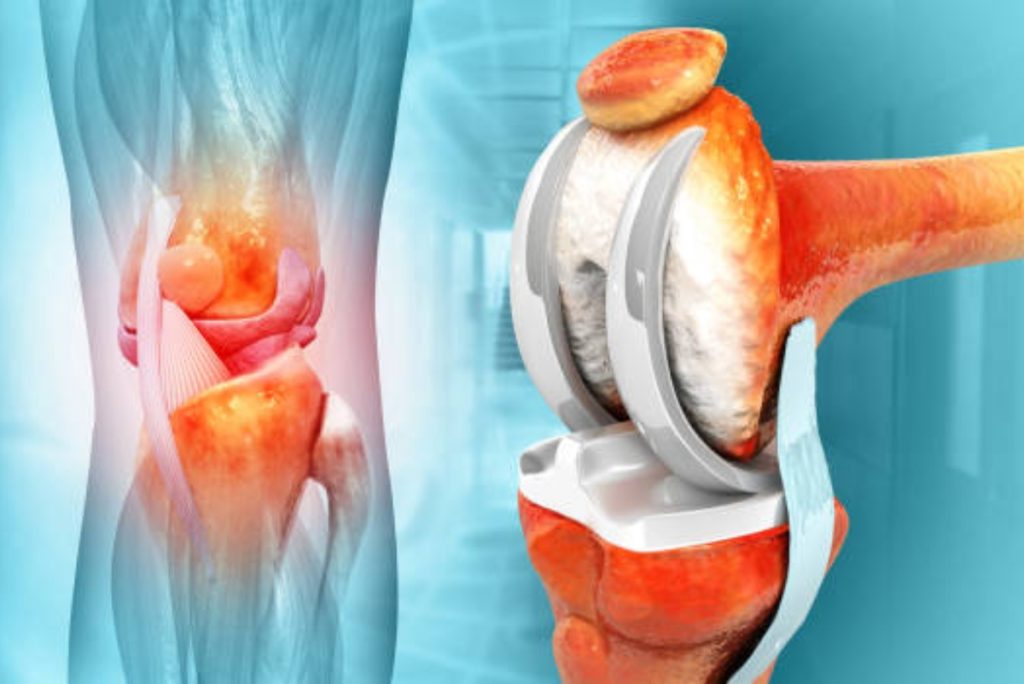
Joint revision surgery is a procedure where a previously placed joint implant, whether in the knee, hip, or any other joint, is either repaired or completely replaced. Think of it this way. Your original joint replacement was like fitting a new part into a machine. Over time, that part can wear out, loosen, or develop a problem. Joint revision surgery is the process of going back in, removing the old implant, and fitting a better, newer one that restores proper function again. It is more complex than the first surgery but when done by an experienced surgeon it gives patients a genuine second chance at a pain free and mobile life.
Why Does a Joint Implant Fail in the First Place?
This is a question most patients ask and it is a very valid one. A joint implant does not always fail because of something the patient did wrong. There are several medical reasons why a previously placed implant may stop working properly.
The most common reason is implant wear. Over years of use, the surfaces of the implant gradually wear down especially if the patient is physically active. Another common reason is loosening, where the implant slowly separates from the bone it was attached to. This causes pain and instability with movement.
Infection is another serious reason. Sometimes bacteria can reach the implant site either shortly after surgery or even years later and this leads to pain, swelling, and reduced function. In some cases, a fracture near the implant site or dislocation of the joint can also make revision surgery necessary.
The important thing to understand is that implant problems are a recognised medical reality. They do not mean the first surgery was a failure. They simply mean the body and the implant have changed over time and further treatment is now needed.
What Are the Signs That You May Need Revision Surgery?
Your body will usually give you clear signals when something is wrong with your implant. You should speak to your doctor if you notice any of the following. Persistent pain in the joint that was previously replaced and has now returned or worsened. A feeling of instability, looseness, or the joint giving way while walking. Swelling, warmth, or redness around the joint which could suggest infection. Difficulty in doing activities that were comfortable after your first surgery. A clicking, grinding, or unusual sound coming from the joint area. Do not ignore these signs. Getting evaluated early gives you better treatment options and a smoother recovery.
How Is Joint Revision Surgery Done?
The procedure is thorough and carefully planned. Before anything else, the surgeon will carry out detailed imaging like X rays, CT scans, or MRI scans along with blood tests to understand exactly what is causing the implant to fail. In some cases a small amount of fluid may also be drawn from the joint to check for infection. Once the cause is identified the surgery is planned accordingly. The patient is given either spinal or general anaesthesia. The surgeon accesses the joint through the original surgical incision, carefully removes the old implant, and cleans away any damaged or infected tissue.
The bone is then reshaped and prepared for the new implant. If there is any bone loss, grafts may be used to fill the gaps and provide a stronger foundation. A new implant which is usually more advanced and designed for better stability is then placed carefully into position. The wound is closed and a small drain is placed to remove excess fluid. The entire process requires great skill and experience because revision surgery is significantly more detailed than the original joint replacement procedure.
What Does Recovery Look Like?
Recovery from joint revision surgery takes more time and patience compared to a first time joint replacement. But with the right support and commitment to rehabilitation, most patients regain good function and relief from pain. Physiotherapy begins within the first few days after surgery to start rebuilding strength and movement. Antibiotics and pain management medicines are given as needed. Most patients are able to walk with support within a week and gradually increase their activity over the following weeks and months. Full recovery can take anywhere from 3 months to up to a year depending on the reason for revision, the patient’s age, general health, and how well they follow their rehabilitation plan. Your medical team will guide you through every stage so you always know what to expect.
Why Choosing the Right Surgeon Matters Even More for Revision Surgery
Joint revision surgery is more demanding than a primary joint replacement. It requires a surgeon with deep experience, advanced surgical skills, and access to the right implants and equipment. At Saviour Hospital in Ahmedabad, the joint replacement team has successfully performed thousands of joint replacement and revision procedures. The hospital uses advanced imaging and surgical techniques to accurately diagnose implant failure and plan revision surgery with precision. Every patient receives a personalized treatment plan focused on restoring mobility and improving long term joint function.
If you had a joint replacement in the past and are now experiencing pain or discomfort again, do not wait and hope the problem resolves on its own. Get a proper evaluation from a specialist as soon as possible.