
Introduction
Hip pain can slowly interfere with your daily routine, making simple activities like walking, sitting, or climbing stairs uncomfortable. Seeking timely advice from a hip replacement surgeon can help identify the exact cause and guide you toward the right treatment. Hip pain may develop due to aging, injury, or underlying joint conditions, but with the right approach, it can be effectively managed.
Understanding the Causes of Hip Pain
Hip pain does not occur without reason. It is often linked to joint wear and tear, especially in conditions like osteoarthritis, where the cartilage gradually breaks down. In other cases, muscle strain, ligament injuries, or inflammation around the joint can lead to discomfort. Poor posture, long sitting hours, and excess body weight also increase stress on the hip joint, making the pain worse over time. Identifying the root cause early is important to prevent further damage.
Simple Lifestyle Changes That Make a Difference
Managing hip pain often begins with small but effective lifestyle adjustments. Giving proper rest to the affected area helps reduce strain, while avoiding activities that trigger pain can prevent further irritation. Applying ice can reduce swelling during the initial stages, while heat therapy helps relax stiff muscles and improves blood flow. Maintaining a healthy weight is also essential, as it reduces pressure on the hip joint and supports better movement.
Role of Exercise and Physical Therapy
Staying active is one of the most effective ways to manage hip pain. Gentle exercises and stretching improve flexibility and strengthen the muscles around the hip joint. This provides better support and reduces stress on the joint. Activities like walking, swimming, and guided physiotherapy sessions can help restore mobility. Over time, consistent exercise not only reduces pain but also improves overall joint function and stability.
Medical Treatment for Lasting Relief
When hip pain becomes persistent, medical treatment may be required. Doctors may prescribe medications to control pain and inflammation, allowing better comfort during movement. In some cases, injections are used to provide temporary relief and improve joint function. These treatments are usually combined with physical therapy to achieve better and longer-lasting results.
Advanced Solutions for Severe Hip Pain
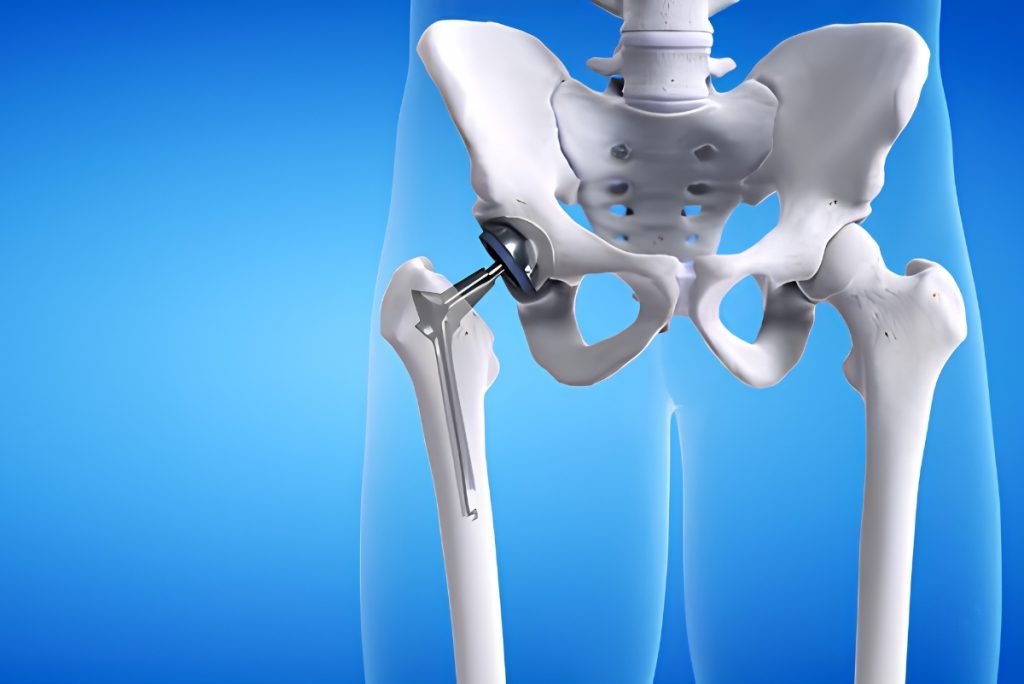
If non-surgical methods do not provide sufficient relief, advanced treatments like hip replacement surgery may be considered. This procedure involves replacing the damaged joint with an artificial implant, which helps restore movement and significantly reduce pain. Modern techniques ensure better precision, quicker recovery, and long-term results. In situations where a previous surgery has failed or the implant has worn out, revision surgery may be needed to correct the problem.
When Should You Seek Medical Help?
Hip pain should never be ignored if it continues for a long time. Symptoms such as stiffness, difficulty in movement, or pain that worsens with activity indicate the need for professional evaluation. Early diagnosis helps in choosing the right treatment and prevents complications in the future.
Take the Right Step Toward Pain-Free Movement
Managing hip pain requires the right approach and timely care. Whether the condition is mild or severe, choosing the appropriate treatment can make a significant difference in recovery and quality of life. If you are experiencing ongoing hip discomfort, consulting a hip replacement surgeon can help you explore the best treatment options and achieve long-term relief with improved mobility. For expert guidance and personalized care, you can consult Dr. Rushay Bhalodia at Saviour Hospital, who specializes in advanced treatment for hip-related conditions and helps patients regain an active, pain-free life.